Iron Matters

When we do not get enough iron, healthy growth and brain development,

mental health, and energy levels all suffer.

Iron deficiency is the most common nutrient deficiency in the world and the only nutrient deficiency still prevalent in industrialized countries today. 1 Iron is a mineral we can't live without. It’s used to carry oxygen to your body and brain.2 Canadian research suggests more than half of pregnant women may have low iron. 3 1 in 4 women age 14-50 have low iron.4 Yes, low iron affects males too. 5 Infant, toddler and school-age boys, and male endurance athletes are at risk for low iron.5 Canadian research has found that eating red meat like beef is one of the strongest dietary predictor associated with better iron status in women. 6 Eating higher grains (bread, pasta, rice, cereals) was linked with higher iron deficiency. 6 Iron is critical for brain development which is why babies need almost 40% more iron than a full-grown man. 2 If you don’t eat meat, fish or poultry, you’ll need almost twice as much iron. 2 It can take several months to correct low iron. It’s far better to prevent low iron than try to correct it. 7

Could Your Nutritional Balance Be Ironed Out?

(Tap the Orange Bands Below to Expand)

Unwrinkling the Data: Research Raises Alarm on Iron Deficiency in Canada.

null

FACT: Estimates for iron deficiency in Canada are higher than previously thought.4 

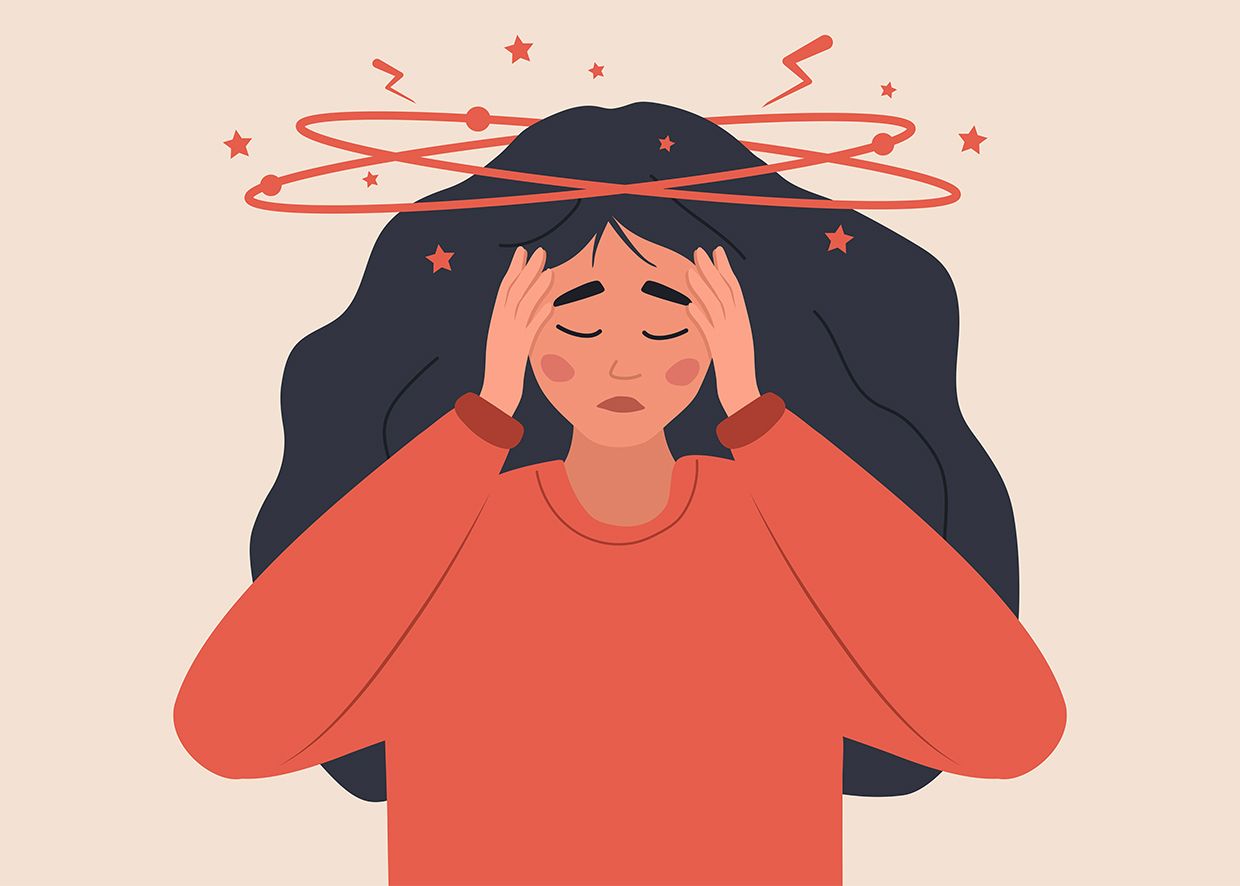
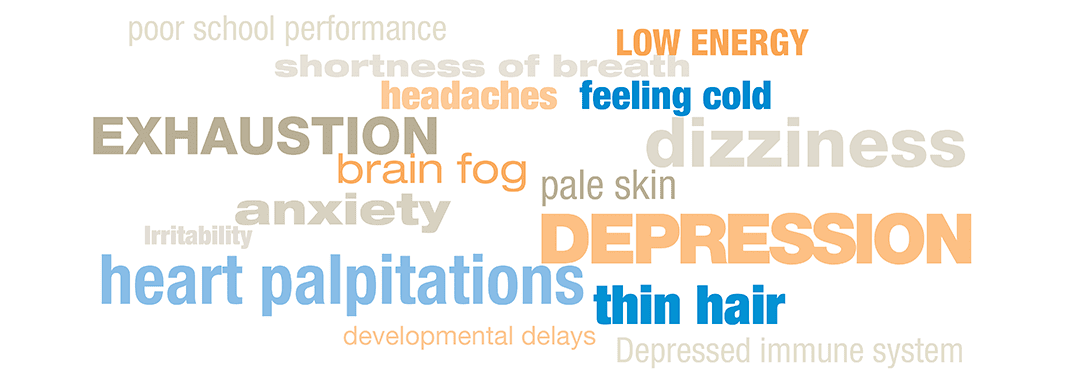
Is it time to iron out the cause of your symptoms?

null

FACT: Iron deficiency negatively impacts health and wellbeing.10-11  

Unraveling Iron Deficiency Risks: Are You or a Loved One in the Danger Zone?

null

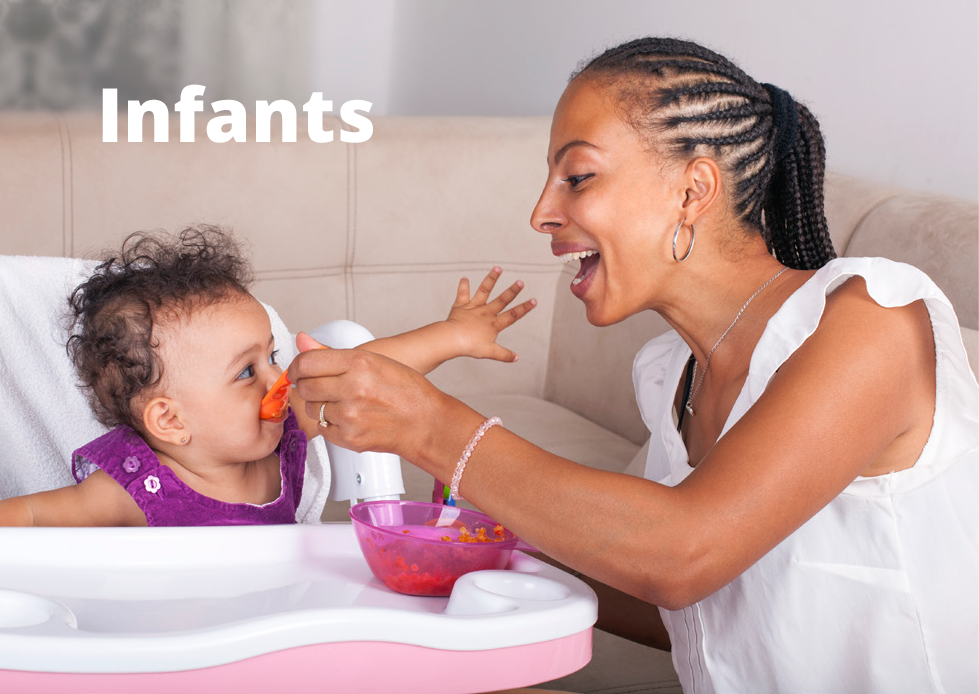
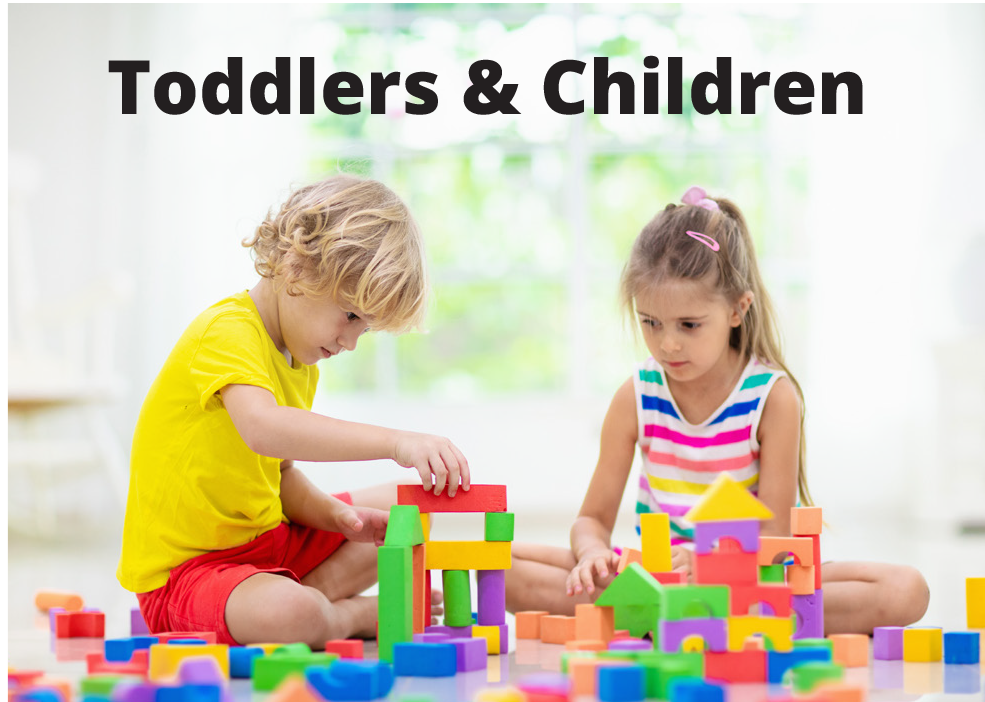
FACT: You or someone you love could be at higher risk for iron deficiency.

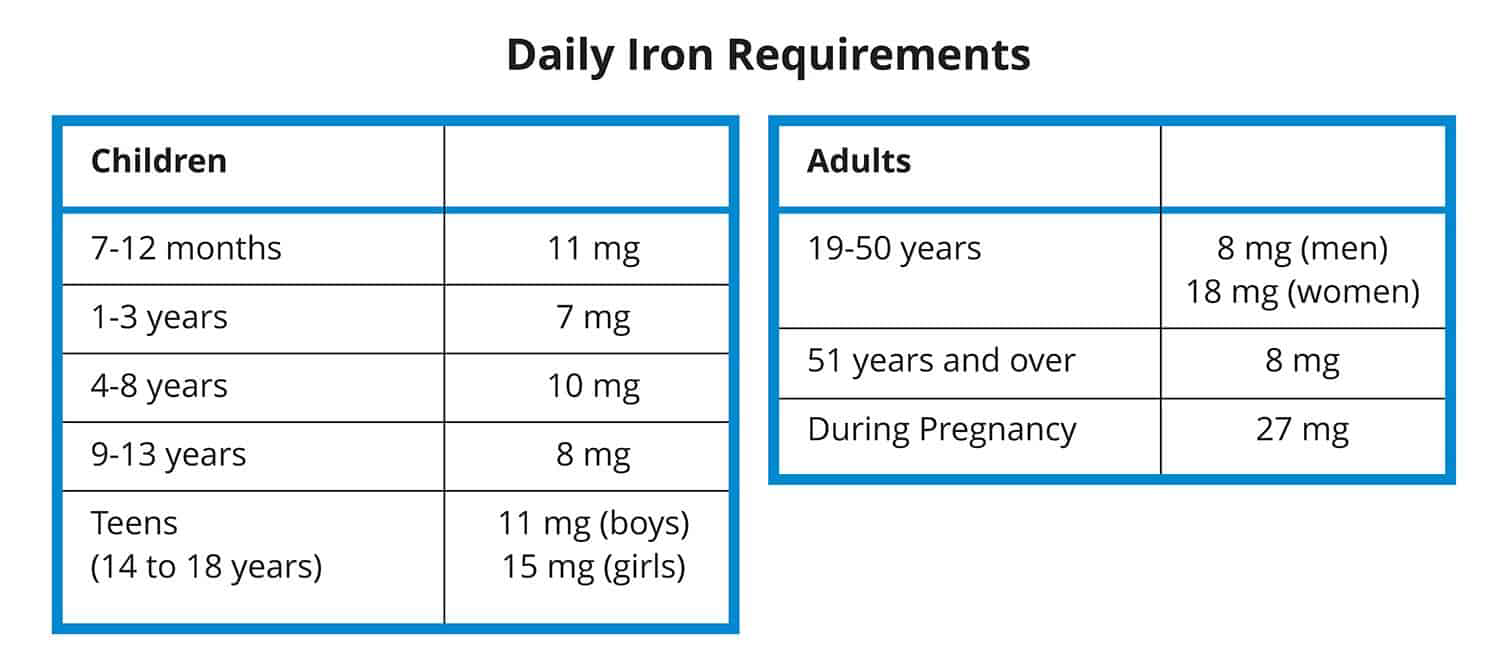
Iron needs are greatest during periods of growth, for women during childbearing years and for endurance athletes.

Click BELOW to find out more.

Pressing for Nutrient Power: Why Ironing Out Your Food Choices is Crucial.

null

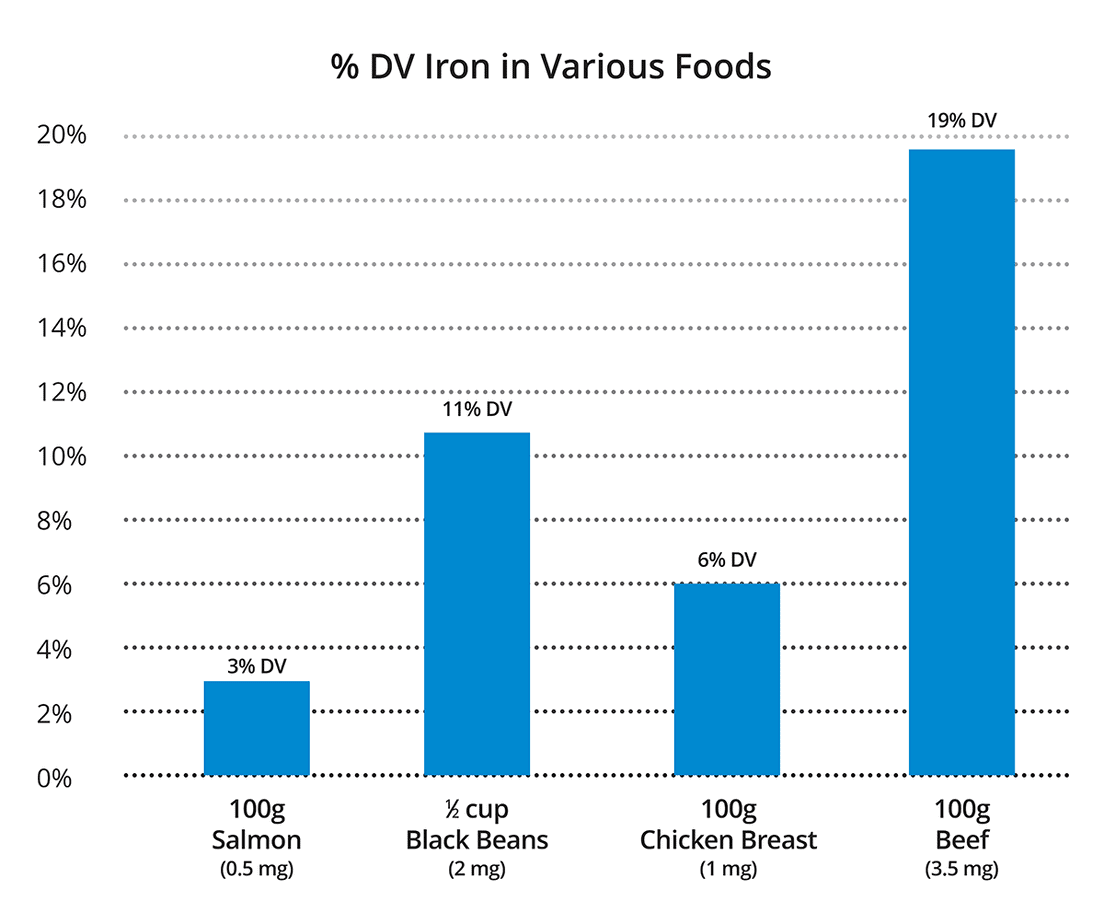
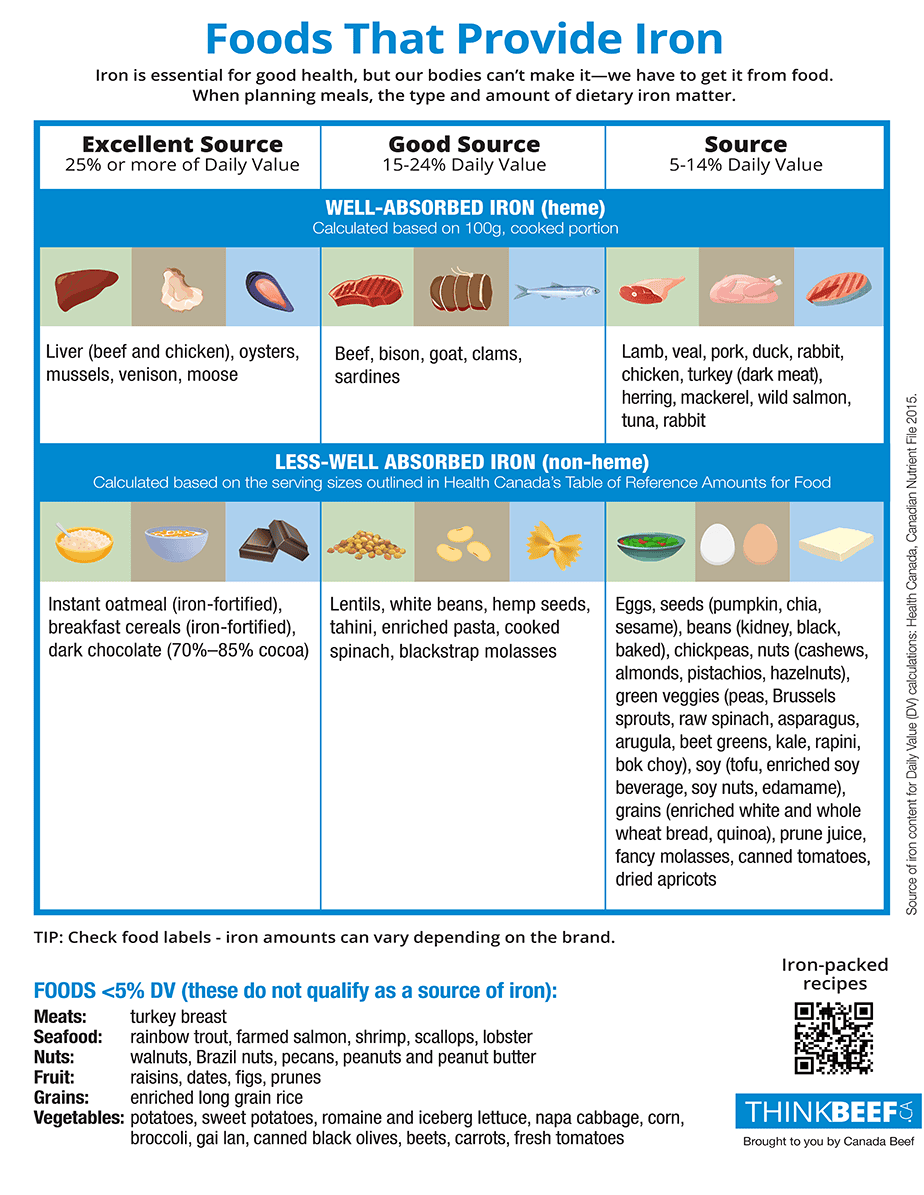
FACT: Both the amount and type of iron in food matters.

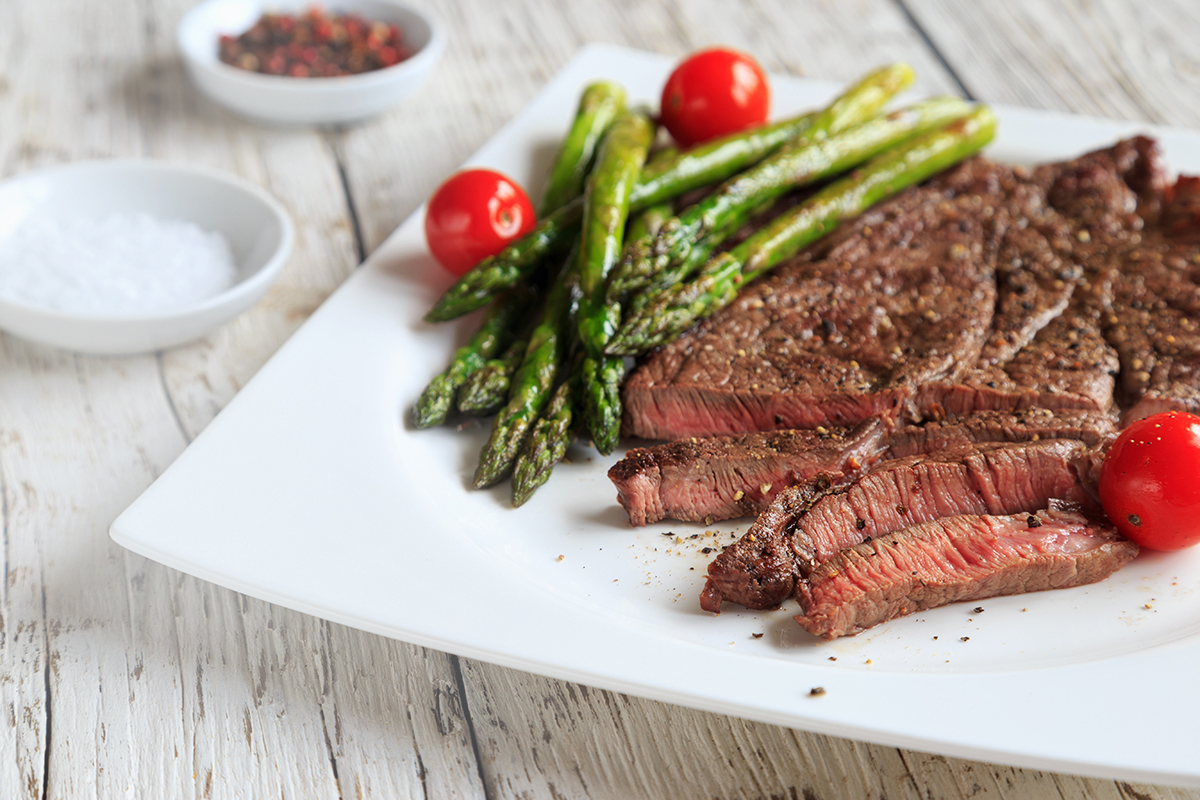
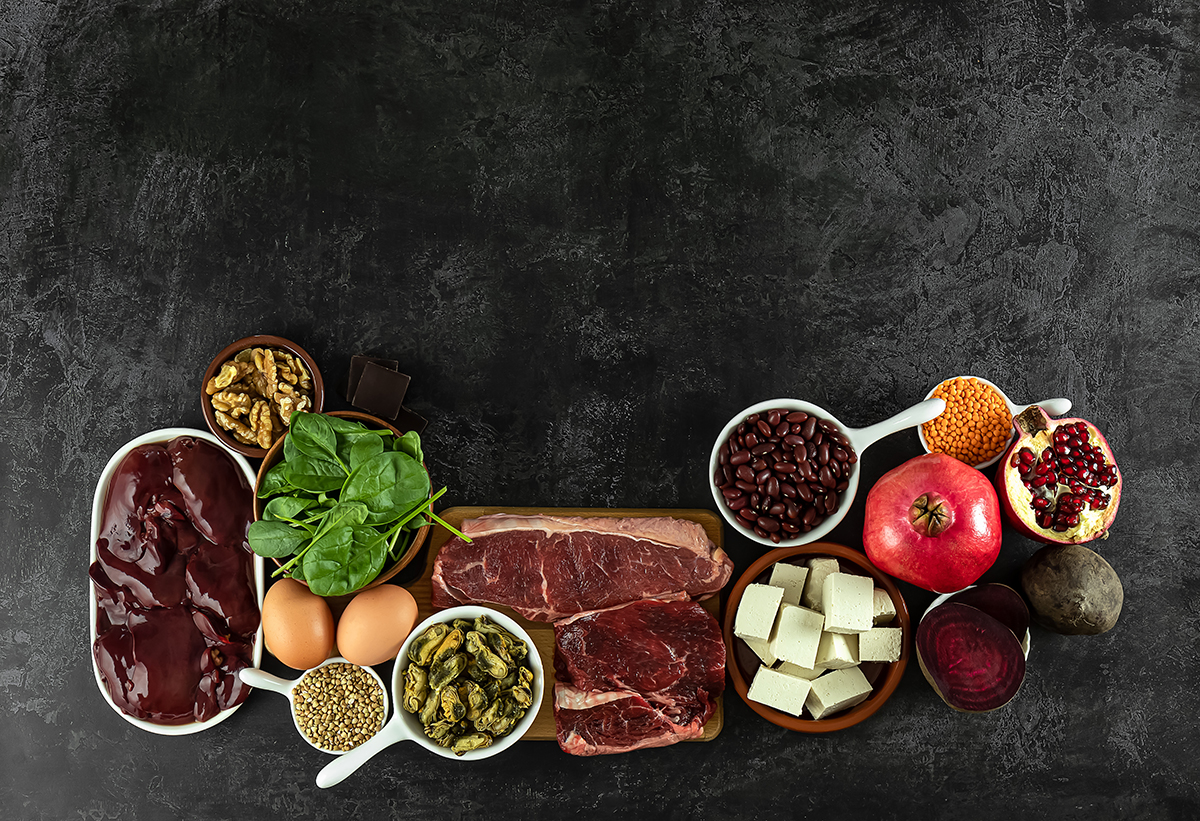
The iron in animal-based foods such as meat, fish and poultry (heme iron) is better absorbed than the iron in plant foods (tofu, lentils, cereal) and eggs (non-heme iron).2 That’s why if you don’t eat meat, fish or poultry, you’ll need almost twice as much iron.2

Health Canada, Canadian Nutrient File, 2015. Food codes: 3053, 3377, 842, 6172. Nutrient amounts rounded as per 2016 CFIA labelling rounding rules. % Daily Values calculated based on Health Canada’s 2016 Nutrition Labelling – Table of Daily Values.

TAP TO TAKE THE QUIZ...

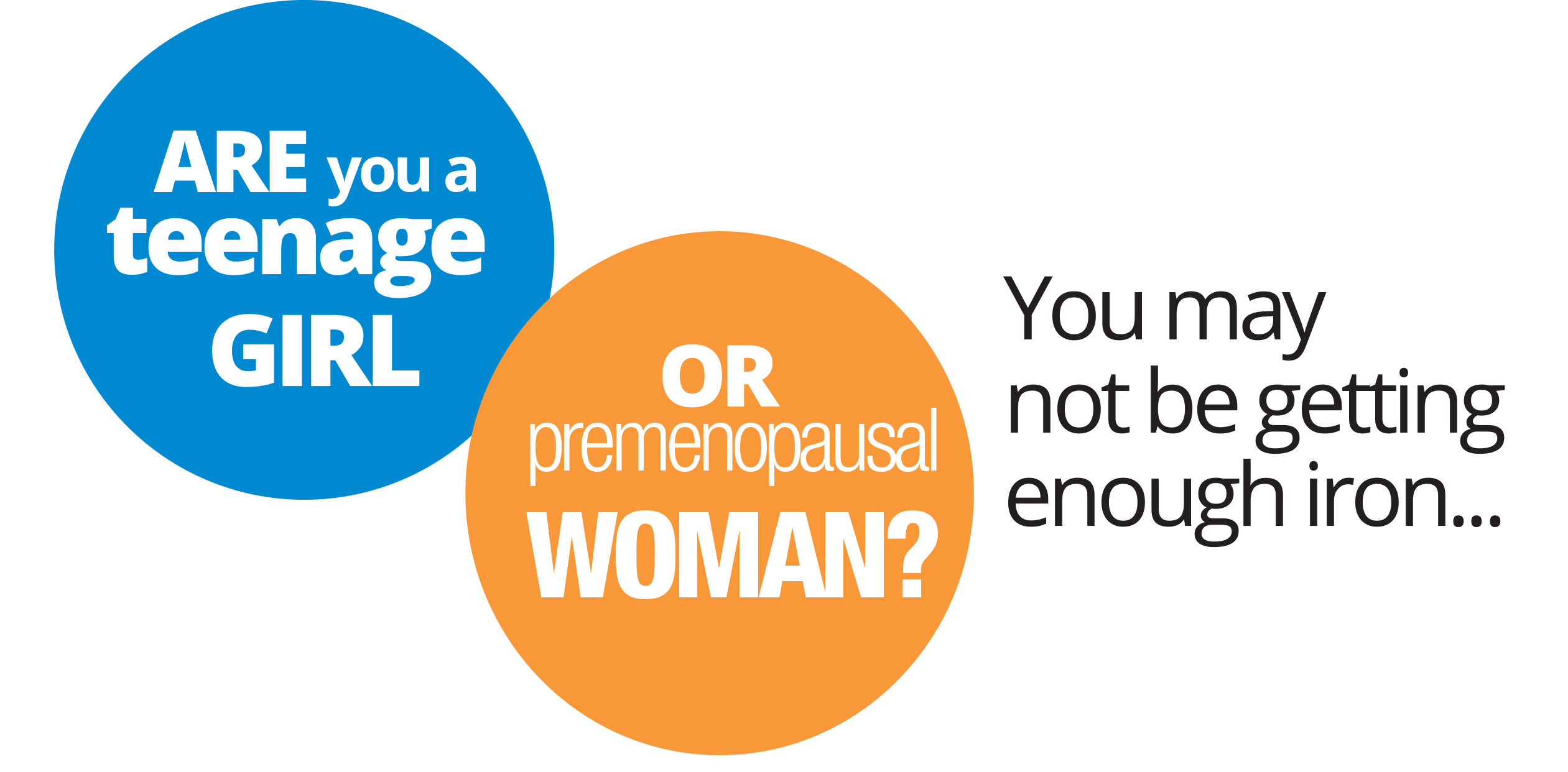
If you answer YES to 2 or more of these questions, you may not be getting enough iron.


• Are you female?

• Do you avoid red meat?

• Do you often skip meals?

• Are you trying to lose weight by eating less?

• Do you usually drink tea or coffee with your meals?

• Do you often have heavy menstrual periods?

Easy, Delicious Recipes And Dietitian Developed Resources Are Just A Click Away!

Click for References
  1. Kolarš B et al. Iron deficiency and iron deficiency anemia: a comprehensive overview of established and emerging Concepts. Pharmaceuticals 2025;18(8):1104.
  2.  Health Canada. 2014. Health Canada’s proposed changes to the core nutrients declared in the Canadian Nutrition Facts Table.  
  3. Institute of Medicine (US) Panel on Micronutrients. Dietary Reference Intakes for Vitamin A, Vitamin K, Arsenic, Boron, Chromium, Copper, Iodine, Iron, Manganese, Molybdenum, Nickel, Silicon, Vanadium, and Zinc. Washington (DC): National Academies Press (US); 2001. 9, Iron. 
  4. Teichman J et al. Suboptimal iron deficiency screening in pregnancy and the impact of socioeconomic status in a high-resource setting. Blood Advances 2021;5(22):4666–4673.
  5. Cooper M et al. Population iron status in Canada: results from the Canadian Health Measures Survey 2012–2019. Journal of Nutrition 2023;153(5):1534–1543.
  6. Unger S.L. et al. Iron requirements in the first 2 years of life. Paediatr Child Health 2019;24(8):555.
  7. Nicotra D et al. Iron deficiency and anemia in male and female adolescent athletes who engage in ball games. Journal of Clinical Medicine 2023;12(3):970.
  8. Chang VC et al. Iron status and associated factors among Canadian women: results from the Canadian Health Measures Survey. Journal of Nutrition 2023;153(3):781–797.
  9. National Institute of Health. 2022. Iron-Deficiency Anemia. National Heart, Lung, and Blood. 
  10. Sholzberg M et al. Diagnosis and management of iron deficiency in females. CMAJ 2025;197:E680-7.

  11. British Columbia Ministry of Health. 2019. Iron Deficiency – Diagnosis and Management. Guidelines & Protocols Advisory Committee.