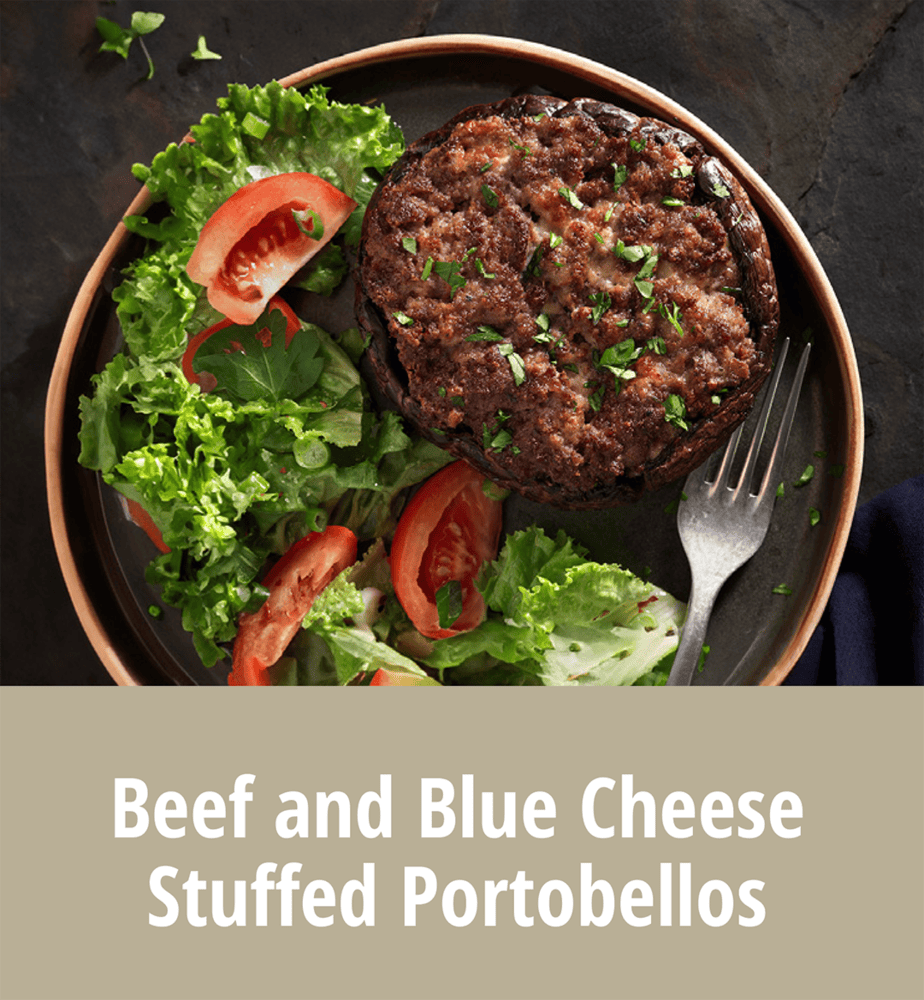
Support your success by losing weight in a way that helps you feel your best, maintain your health, and build lasting habits for long-term wellness. Eat well, stay active, and remember – you’ve got this!


Are you one of the many Canadians
using a GLP-1 medication?
If so, congratulations on taking an important step toward better health.

This is for educational purposes only. This is not medical advice. Always follow the advice of your healthcare provider.
3 WAYS TO SUPPORT YOUR SUCCESS
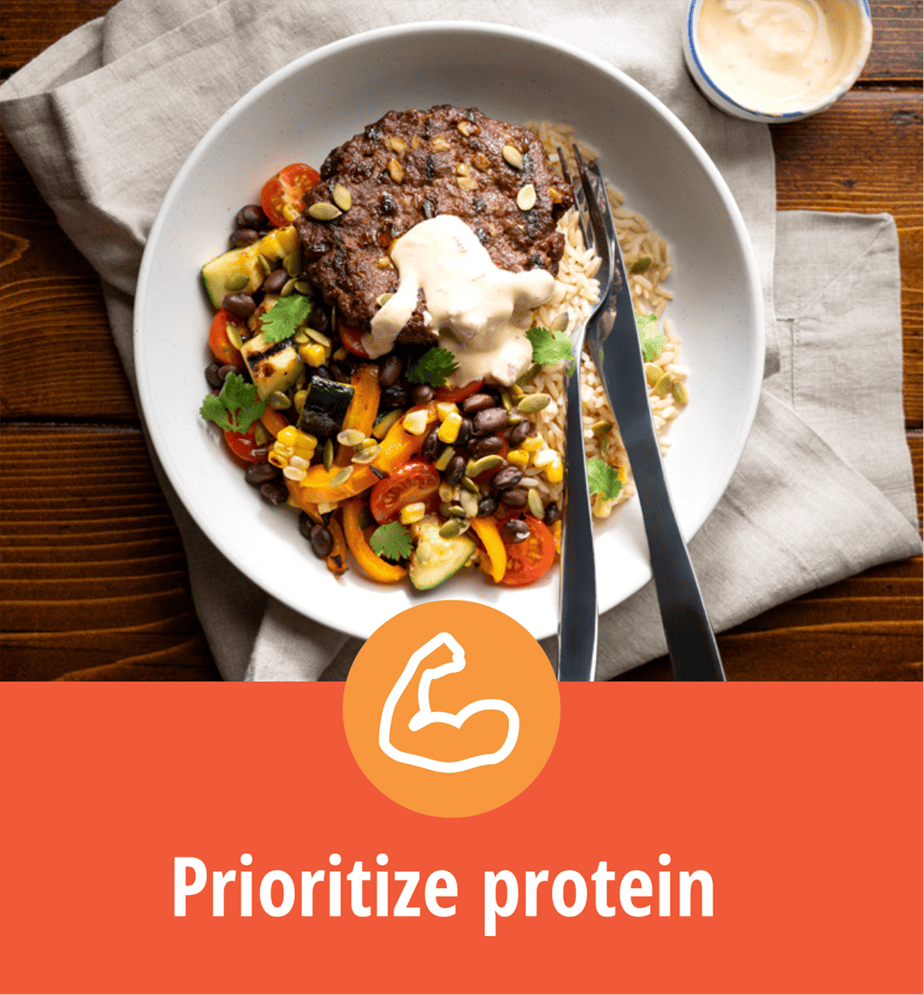
When you have a smaller appetite and start eating less food, you are at risk of not meeting your protein and nutrient needs.
That’s why making every bite count is more important than ever. Building healthy eating habits, including choosing protein- and nutrient-rich foods like beef, can help:
• protect muscle and bone
• reduce the risk of nutrient deficiencies
• support healthy, sustainable weight loss

Weight loss typically includes some loss of muscle.
Regular movement, especially strength training, helps preserve muscle while supporting bone and heart health, mood, sleep, and energy.
• Aim to do both strength training (e.g., weights, squats) and aerobic exercise (e.g., walking, swimming) a few times each week.
• Start where you feel comfortable and build from there.
Check with your healthcare provider before starting a new exercise routine.

Regular check-ins with your healthcare team (doctor, dietitian, pharmacist, etc.) can help you to:
• monitor progress
• manage side effects
• get personalized guidance to support your long-term success
HOW MUCH PROTEIN DO YOU NEED?
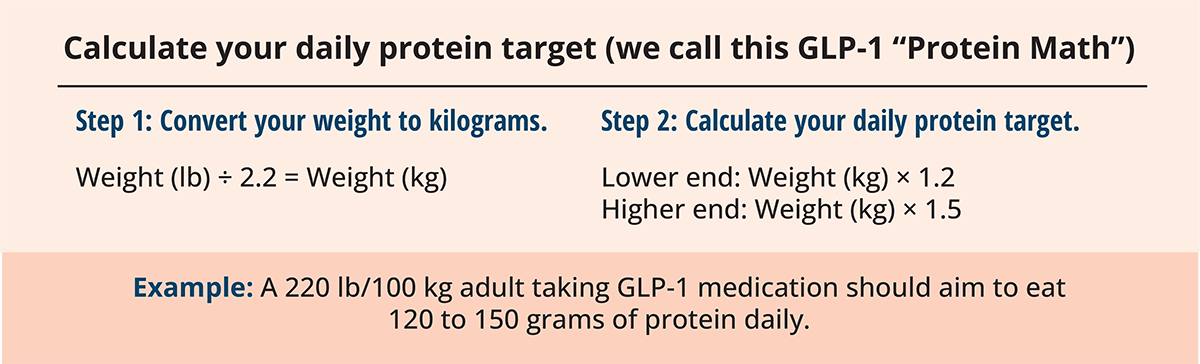
Until you can meet with your healthcare provider for a personalized recommendation, aim for 1.2–1.5 grams of protein per kilogram of body weight each day. This general formula applies to both men and women.

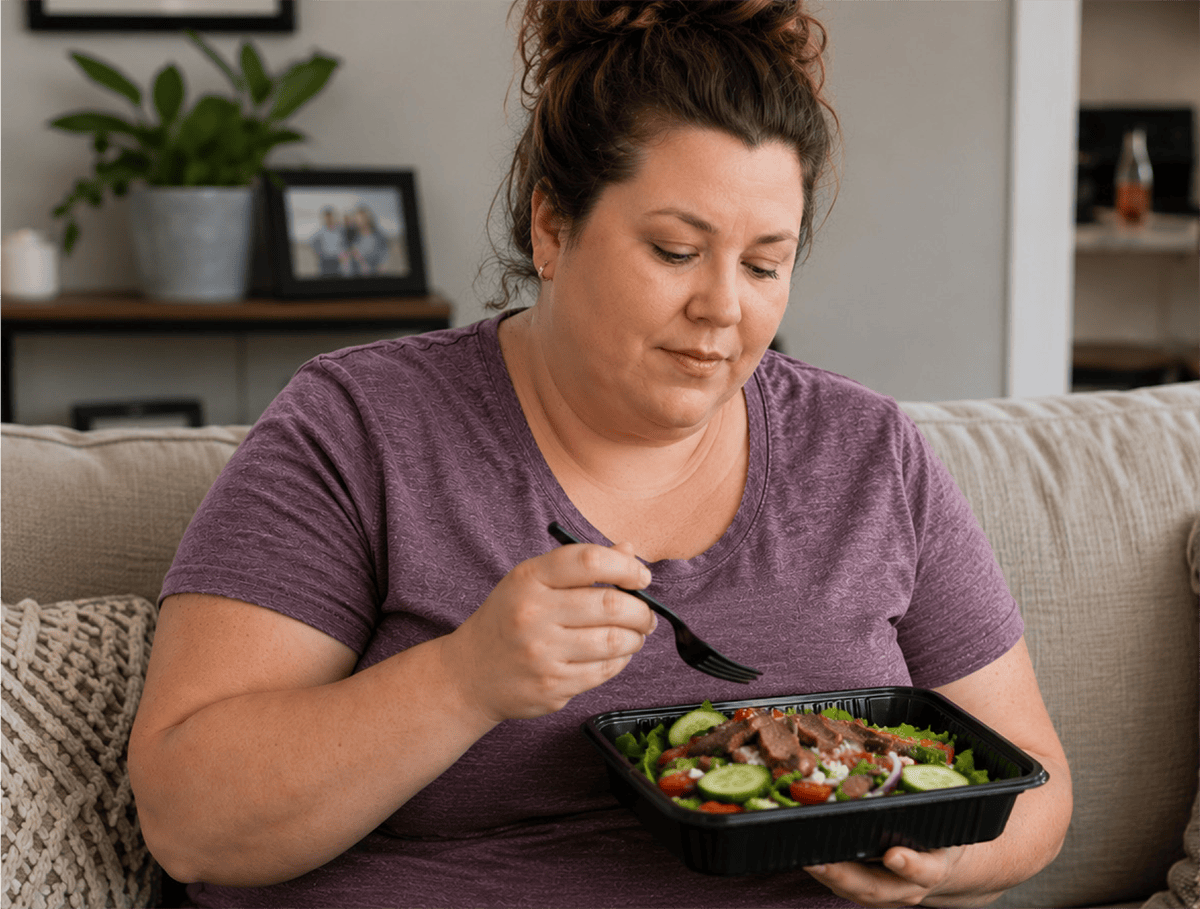
STRATEGIES TO HELP YOU MEET PROTEIN TARGETS
• Have protein every time you eat.
• Choose higher-protein foods regularly.
• Eat your protein foods first.
HOW BEEF CAN HELP
When every bite counts, think of beef as your strategic ally helping to make it easier to build protein- and nutrient-packed meals.
Beef is quite simply one of the most nutrient-dense foods you can eat.
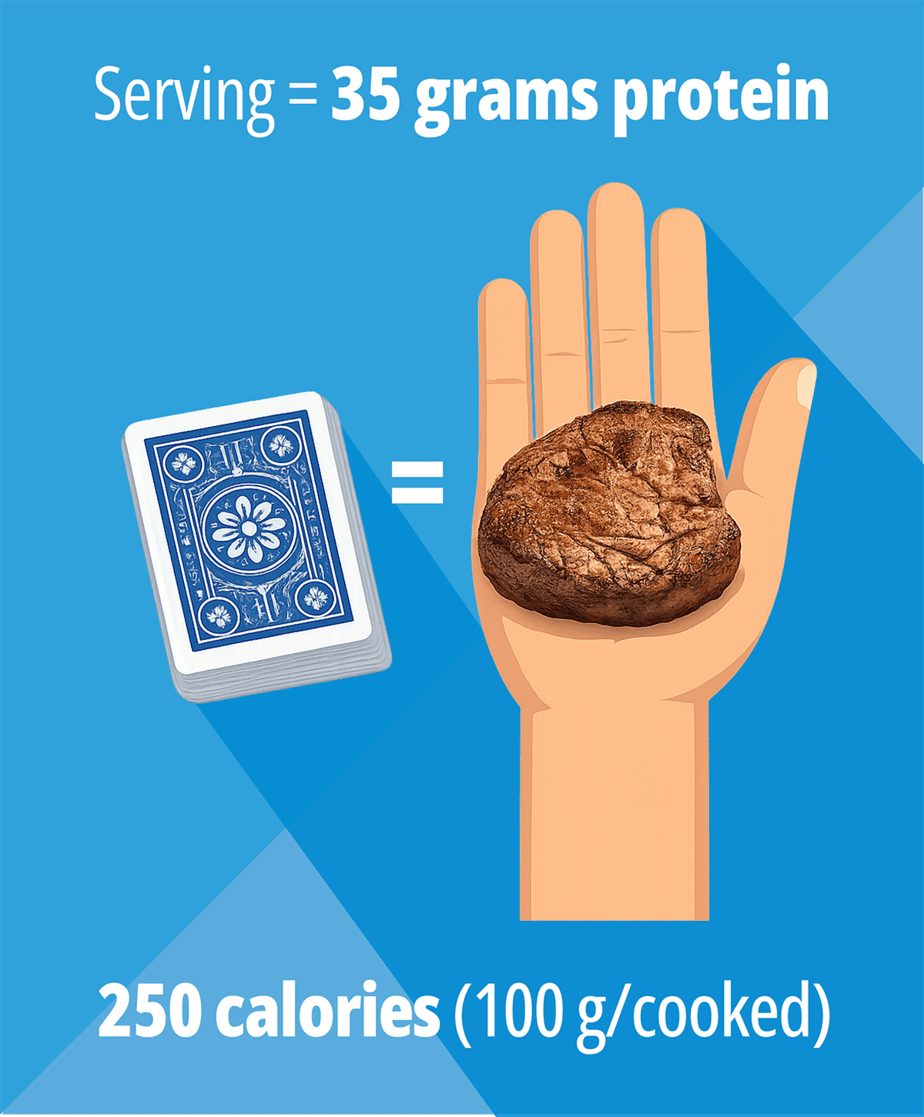
Nutrient values obtained from Health Canada, Canadian Nutrient File, 2026 version. Food Code 6172: beef, composite cuts, steak/roast, lean and fat, cooked. iCholine value obtained from USDA. FoodData Central, 2019. Food Code 13361.

KNOW YOUR PROTEIN SOURCES
Use this chart to:
• Plan protein-rich meals and snacks
• Reach your daily protein target

Canadian Nutrient File 2026

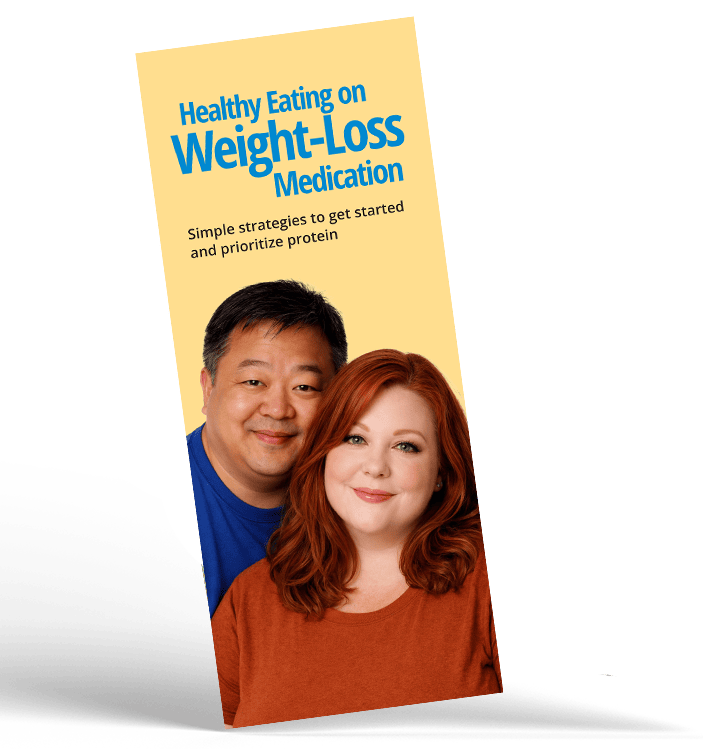
Download and print this guide for meal planning, grocery shopping, and post it on your fridge for daily protein inspiration.
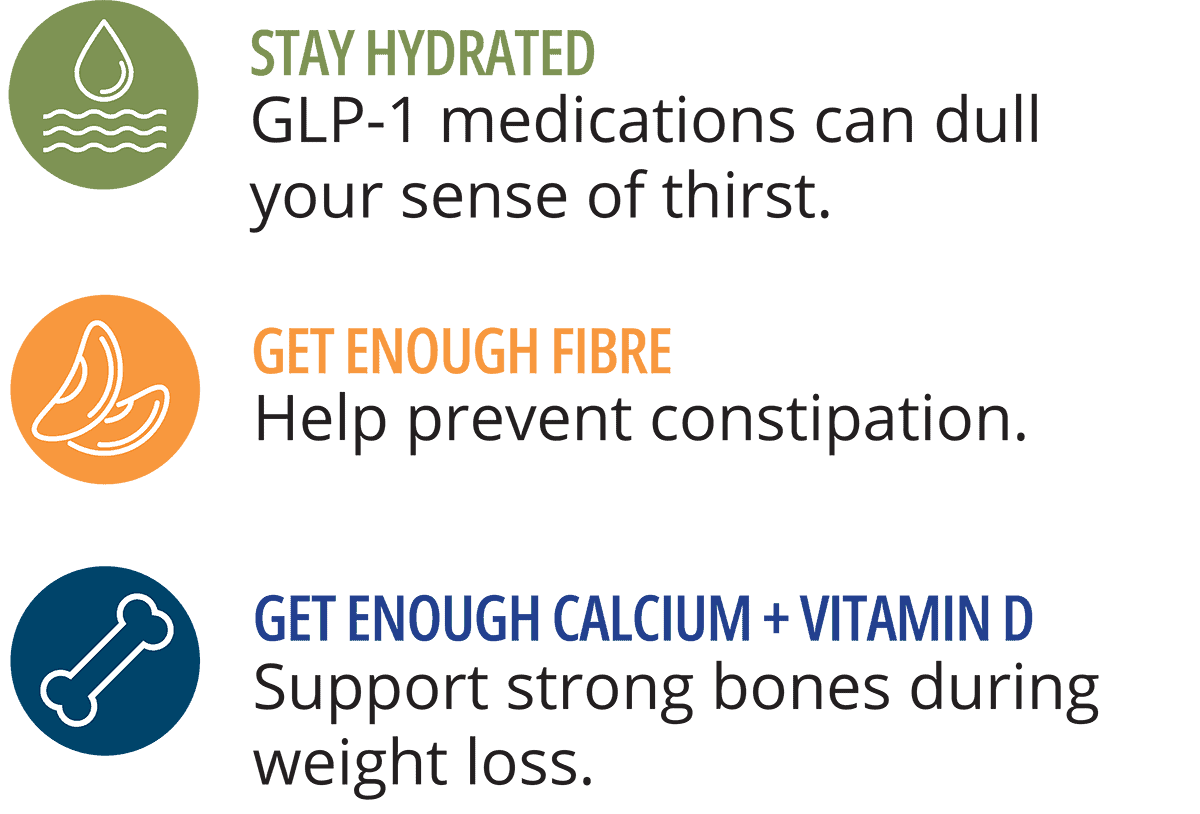
BEYOND PROTEIN: DAILY HABITS THAT SUPPORT YOUR HEALTH
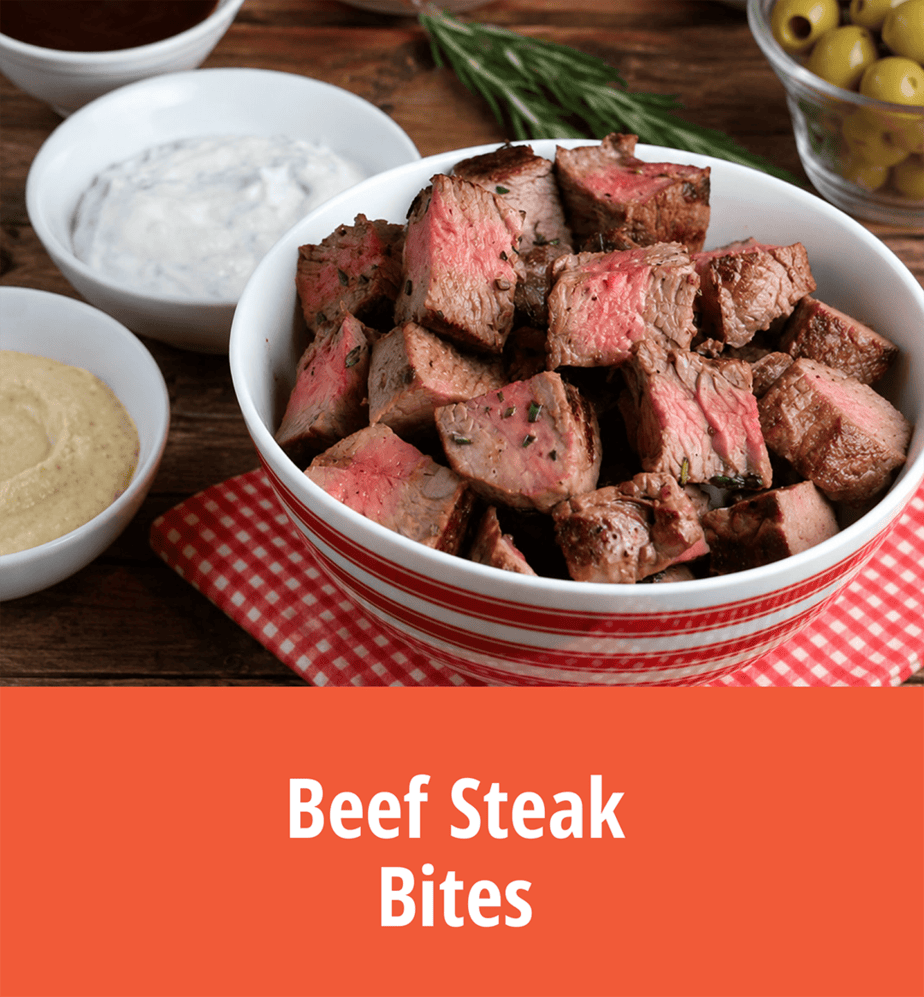
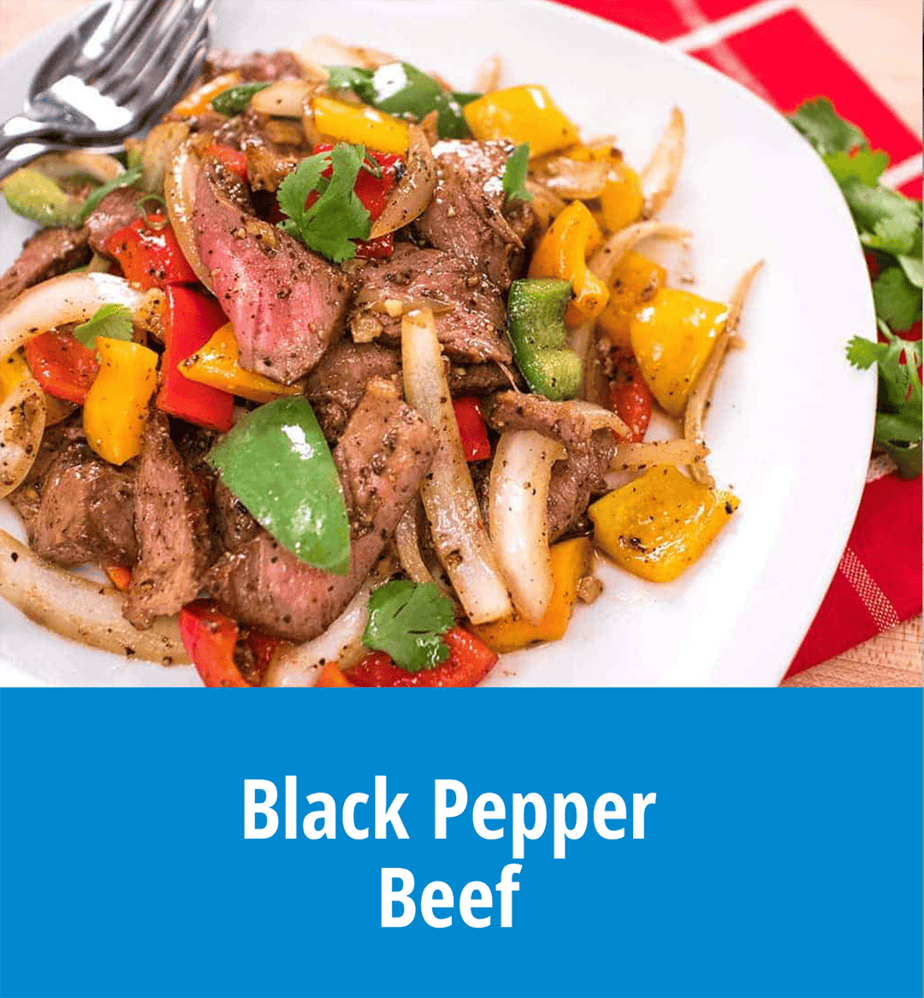
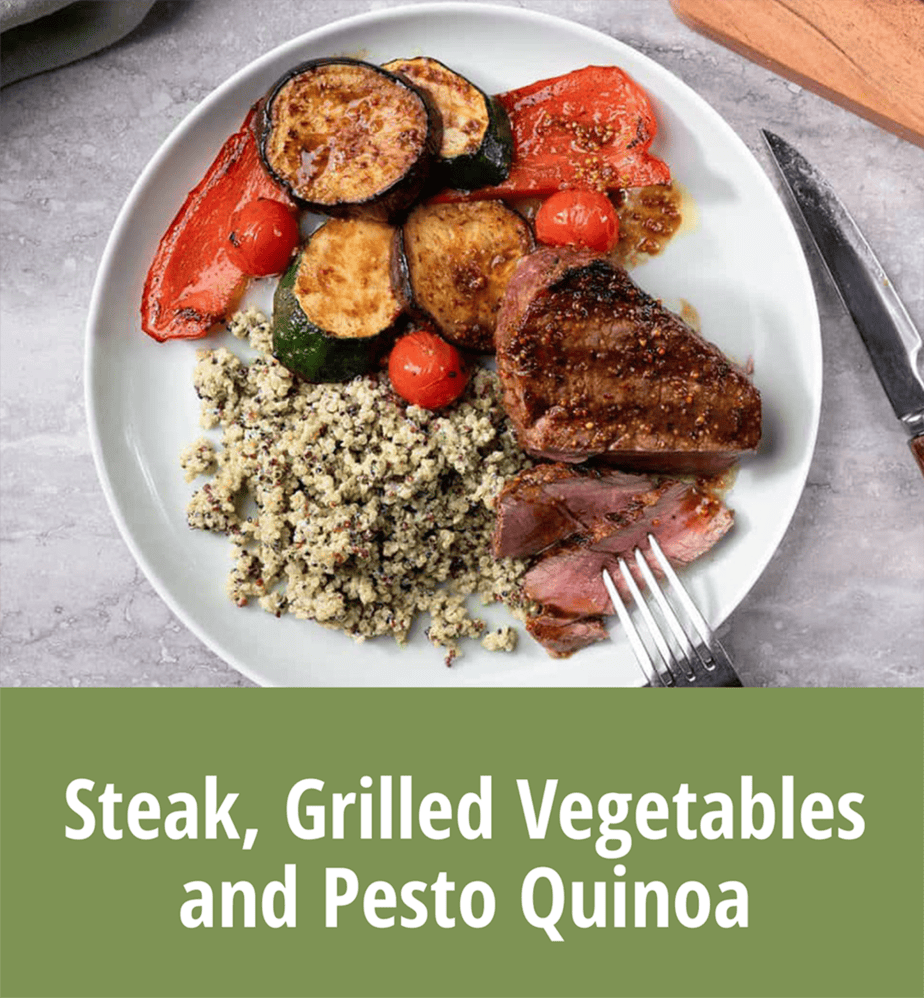
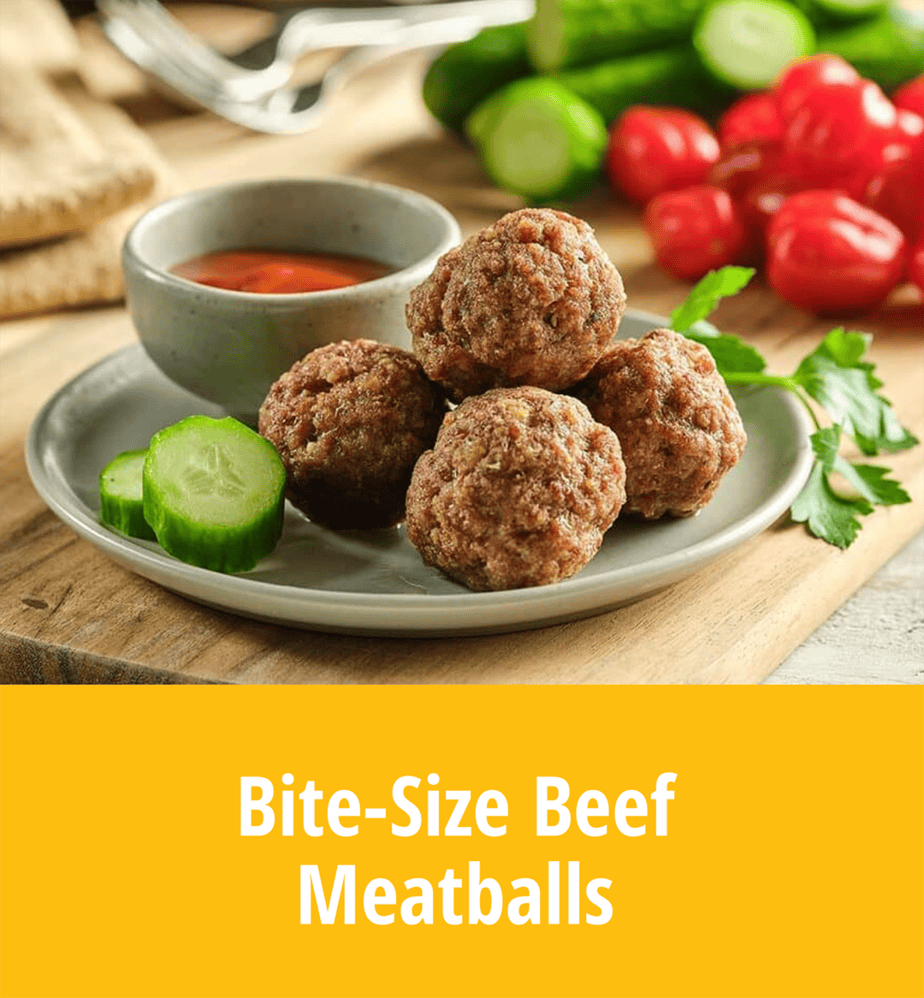
PROTEIN-PACKED DELICIOUS BEEF RECIPES